
Key points at a glance
- Since 1 September 2024, the MTD-Gesetz 2024 has governed self-employed physiotherapy in Austria.
- You need an entry in the Gesundheitsberuferegister (register of health professions; for self-employed practitioners via the GÖG) and a Berufssitz (registered practice location) – at most two.
- Mandatory before your first treatment: professional liability insurance of at least €400,000 per claim. On top of that come 60 hours of continuing education every five years.
- Treating illness requires a doctor’s order; in health promotion and prevention you work without one.
- As a Wahlphysiotherapeut:in (physiotherapist without a contract with the insurance funds), your patients get 80% of the fund’s tariff back. The ÖGK requires no prior approval by its medical officer until 30 June 2027; the SVS still does.
This post is general information and does not replace legal or tax advice. Rules change – check details with your chamber, your professional association or your tax adviser.
What the MTD-Gesetz 2024 means for self-employed physiotherapists
The MTD-Gesetz 2024 (BGBl. I No. 100/2024) replaced the old MTD-Gesetz on 1 September 2024. It applies to all higher medical-technical services, including physiotherapy. These points matter most for your self-employment:
- Doctor’s order (§ 20(1)): To treat illness, you work on your own responsibility, but on the order of a doctor or dentist.
- Prevention without an order (§ 20(2)): In health promotion and primary and secondary prevention, you may work without an order – for example with back classes or posture assessments for healthy people.
- Berufssitz (§ 30): Self-employed work without a registered practice location is prohibited. You may have one or at most two in Austria.
- Continuing education (§ 38): at least 60 hours within every five-year period.
- Advertising and costs (§ 39): No comparative, discriminatory or unobjective advertising, no commissions for referrals – and you must inform patients about the costs and the expected reimbursement from their insurance fund.
- Liability insurance (§ 40): mandatory before you start working self-employed.
- Telehealth (§ 28(3)): Treatment by video is possible where it is professionally justifiable. You must inform your patients about its particularities.
How you may promote your services is covered in our post on advertising physiotherapy in Austria. The details your website must show are listed in mandatory information for physiotherapy websites.
The requirements step by step
Entry in the Gesundheitsberuferegister
Without registration you may not practise. If you work mainly self-employed, you register with Gesundheit Österreich GmbH (GÖG); employees register via the Arbeiterkammer (Chamber of Labour). The application is online with ID Austria and free of charge. The registration and the professional ID card are valid for five years.
Choose your Berufssitz
Define the address where you practise – even if you mainly make home visits. The Berufssitz must meet hygiene requirements. The public health officer of the Bezirksverwaltungsbehörde (district authority) can inspect it and, if patients are at risk, close it until the defects are fixed (§ 30(5) and (6)).
Take out liability insurance
At least €400,000 per claim; an annual cap may not be lower than three times that amount. The insurer may neither exclude nor time-limit its liability for claims after the contract ends. Physio Austria (the professional association) and many insurers offer suitable policies.
SVS and tax office
As a self-employed physiotherapist, you are usually insured with the SVS (social insurance for the self-employed) as one of the Neue Selbständige (“new self-employed”). Register your activity with the SVS and the Finanzamt (tax office). Medical treatments are exempt from VAT under § 6(1)(19) UStG 1994 (without input tax deduction).
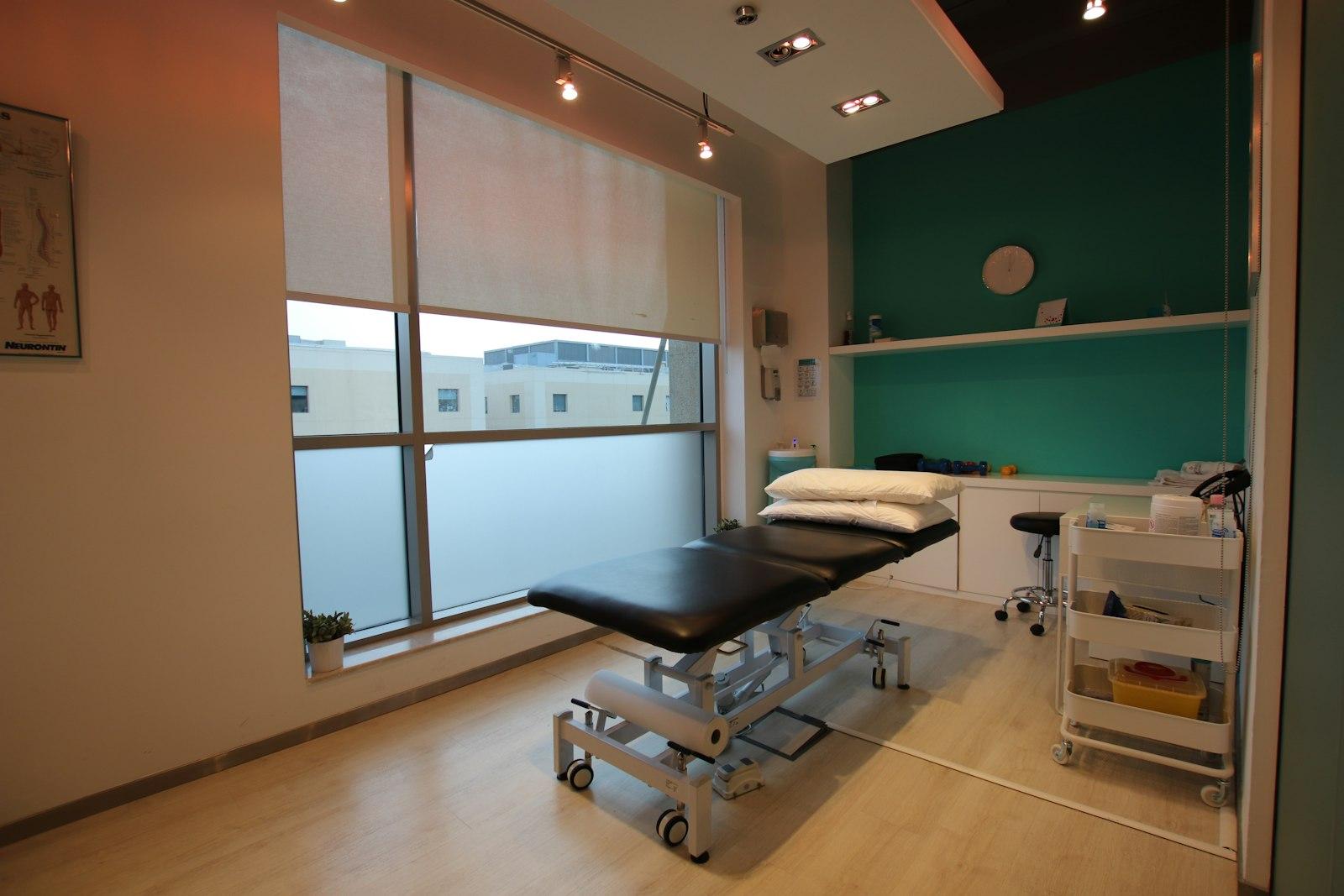
Own practice, rented room or home visits?
| Model | Advantages | Watch out for |
|---|---|---|
| Own practice | full freedom over premises, hours and branding | highest investment, rent keeps running during holidays |
| Room in a shared or medical practice | low risk, short distance to doctors | written contract, no commissions for referrals |
| Home visits | hardly any fixed costs, in demand among older patients | price in travel time, Berufssitz still required |
| Alongside employment | gentle start with a secure income | check your employment contract for side jobs |
How to find, finance and register premises is described in the general guide to opening a practice in Austria – for all health professions.
Insurance contract or Wahlphysio: fees and reimbursement
Contracts with the insurance funds are limited in Austria through Planstellen (planned contract positions). In autumn 2025, around 400 of these positions for physiotherapists in private practice were filled at the ÖGK (Austrian Health Insurance Fund). Many self-employed physiotherapists therefore start as a Wahlphysiotherapeut:in: you set your own fee, your patients pay and submit the invoice and the doctor’s prescription to their insurance fund. The fund reimburses 80% of the tariff it would pay a contracted therapist (§ 131 ASVG).
| Insurance fund | Approval required? |
|---|---|
| ÖGK | no – suspended until 30 June 2027 |
| BVAEB | no – permanently abolished since 1 November 2022 |
| SVS | yes – have the prescription approved before treatment starts |
- Initial prescription: In 2025 the ÖGK asked its contracted doctors to prescribe mostly 6 × 30 minutes at first. Longer sessions remain possible if medically necessary.
- Tariffs: According to Physio Austria, the ÖGK tariffs stay at their 2025 level until the end of 2028. Contracted therapists additionally receive a Versorgungswirksamkeitspauschale (a supplementary flat-rate payment). For your private patients this means: the reimbursement is unlikely to rise until then.
- Home visits: They are reimbursed if the doctor prescribes them.
Equipment for the start
- Height-adjustable treatment table, positioning aids, disinfectant and a hygiene plan
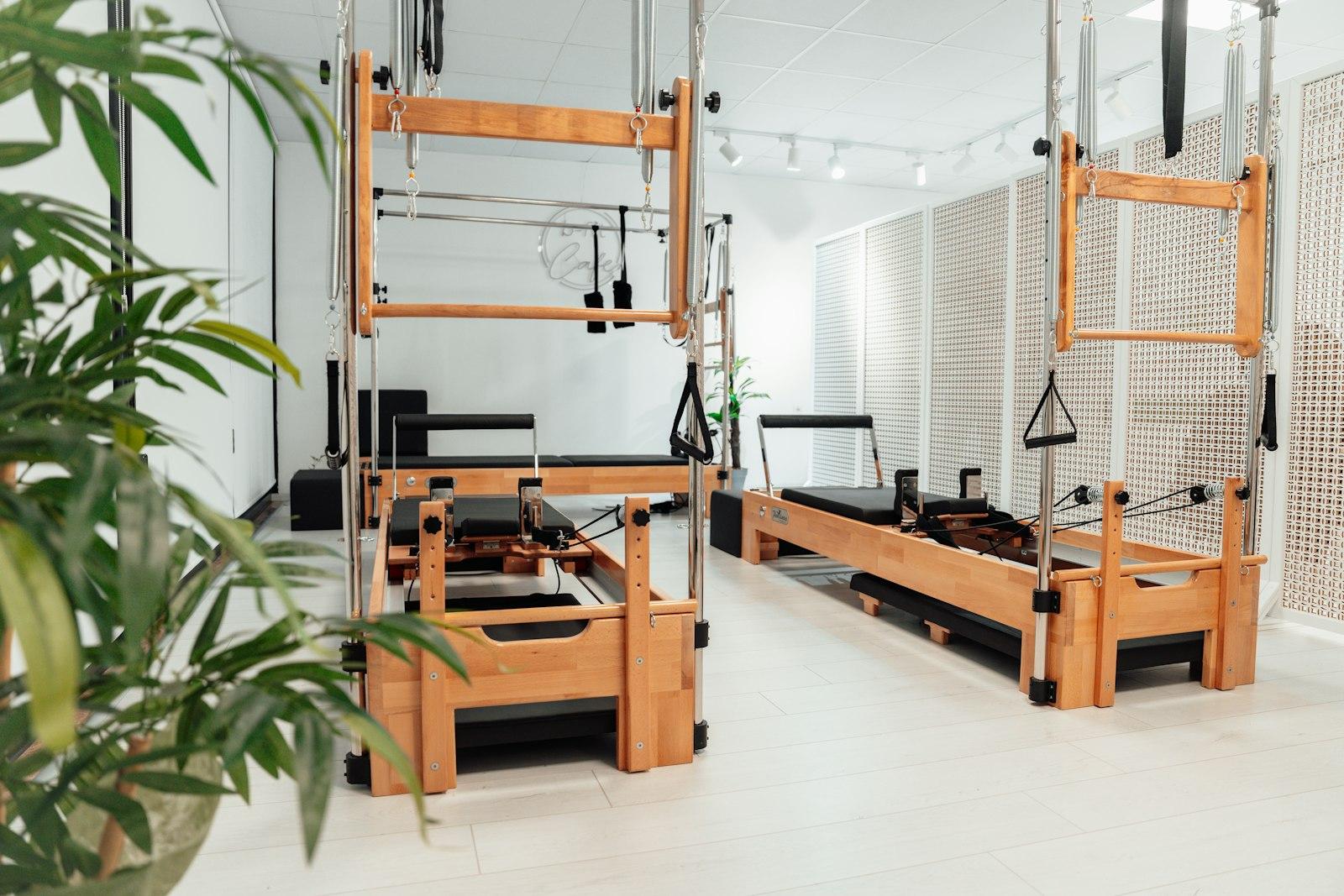
- Training equipment for your focus: resistance bands, foam rollers, balls, mats, electrotherapy devices if needed
- Software for appointments, documentation and invoices – GDPR-compliant
- Coat rack, changing area, ideally a shower
- Step-free access or an honest note about steps
- Mobile kit for home visits: folding table, bands, documentation
Winning your first patients
In physiotherapy, many patients come through recommendations from doctors – and through their own search for a practice nearby. You can actively encourage both:
- Network: Introduce yourself to GPs, orthopaedists and trauma surgeons in your area – with your areas of focus and free appointments. Commissions for referrals are prohibited.
- Website with areas of focus: “back pain”, “knee after ACL surgery”, “pelvic floor” – each service with its own page. How this helps people nearby find you is explained in our post on local SEO.
- Google profile: with photos of your premises and genuine reviews, see Google Business Profile. Create a QR code for reviews with the review QR generator.
- Legal notice: Your website needs a complete legal notice (Impressum) – the legal notice generator helps.
- Online booking: Many patients book on their phone right after the doctor’s appointment.
Websites for physiotherapy practices
Take a look at example websites for physiotherapy and therapy practices – with areas of focus, team, fees and online booking.
Your roadmap to self-employment
Before your first treatment
- Registration in the Gesundheitsberuferegister via the GÖG (with ID Austria)
- Berufssitz defined, premises set up hygienically
- Liability insurance with at least €400,000 per claim in place
- Registration with SVS and tax office done
- Fees calculated, reimbursement explained for your patients
- Website, Google profile and legal notice online, local doctors informed
- Continuing education planned: 60 hours in five years
Sources
- RIS – MTD-Gesetz 2024 (current version)
- USP – Gesundheitsberuferegister
- RIS – § 131 ASVG (reimbursement)
- Austrian Parliament – answer 2436/AB on physiotherapy at the ÖGK (2025)
- Physio Austria – prescription, treatment, reimbursement (patient information)
- Physio Austria – FAQs on the Versorgungswirksamkeitspauschale (2026)